MicroStep-MIS has developed a new artificial intelligence-based approach for short-term thunderstorm and precipitation forecasting within the PRUDENCE research project, carried out in cooperation with the Slovak Hydrometeorological Institute and supported by the Slovak Research and Development Agency.
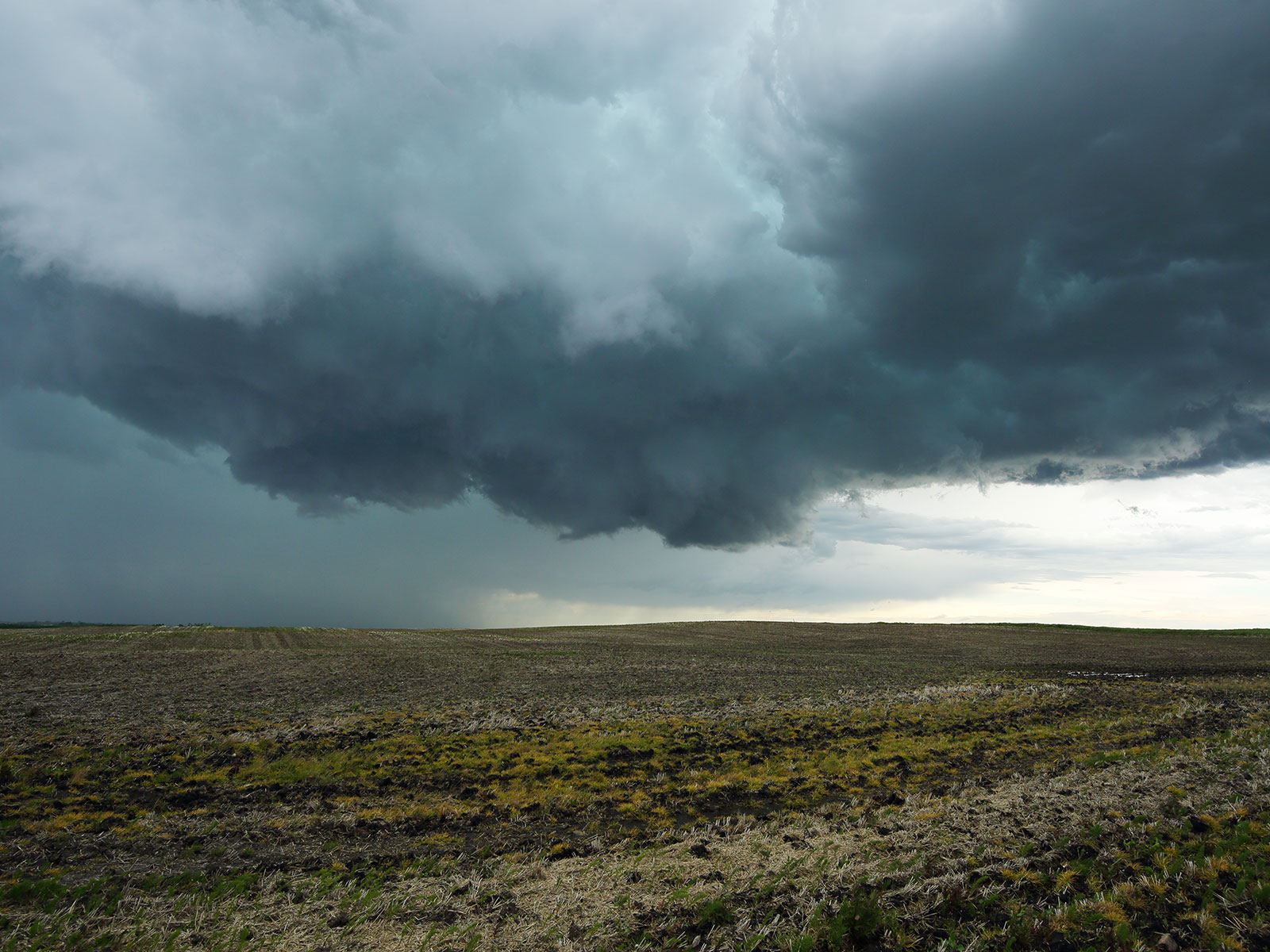
The project focused on improving radar-based nowcasting of convective precipitation, especially thunderstorms and heavy rainfall. These phenomena can develop very quickly and may significantly affect aviation, transport, emergency management, flood protection, agriculture, energy infrastructure, tourism, and public safety. Reliable short-term forecasts are therefore essential for timely warnings and effective decision-making.
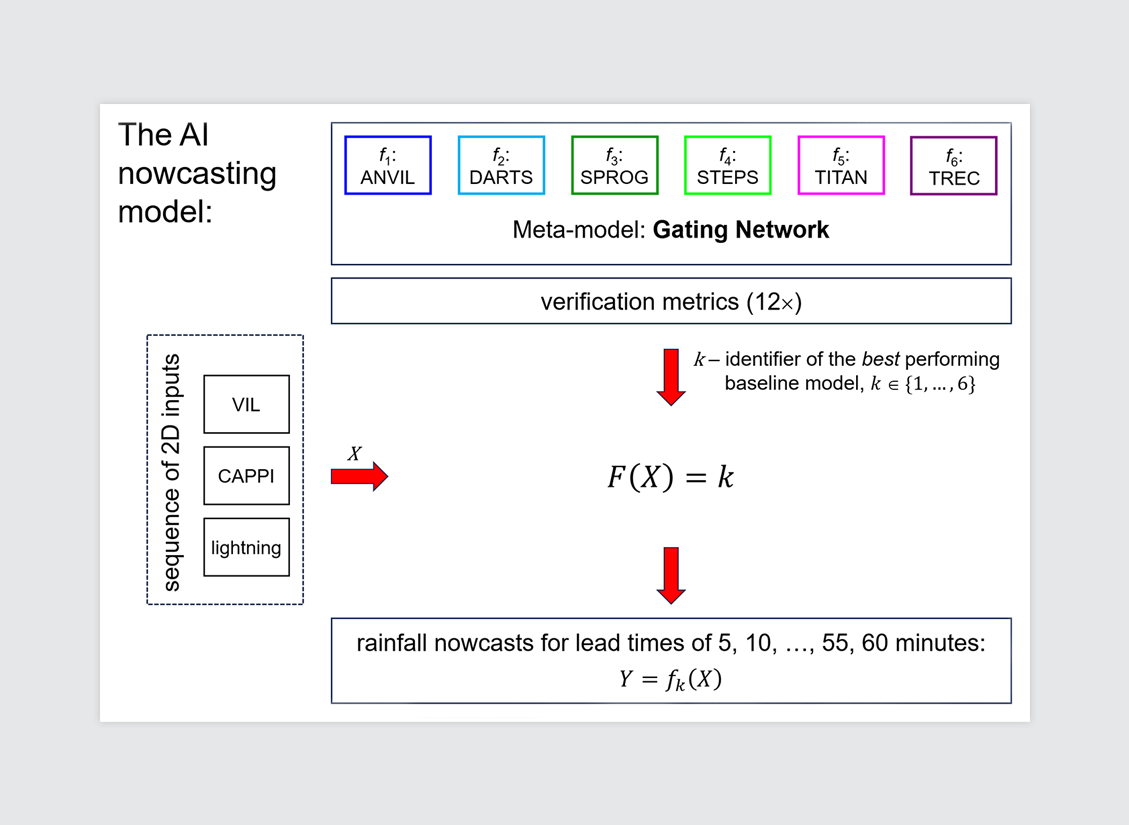
The new solution combines data from the Slovak weather radar network with lightning observations and modern AI techniques. Instead of relying on a single nowcasting method, the research team developed an AI meta-model that learns from several established radar-based forecasting approaches. This allows the system to use the strengths of different methods and select the most suitable one for a given meteorological situation.
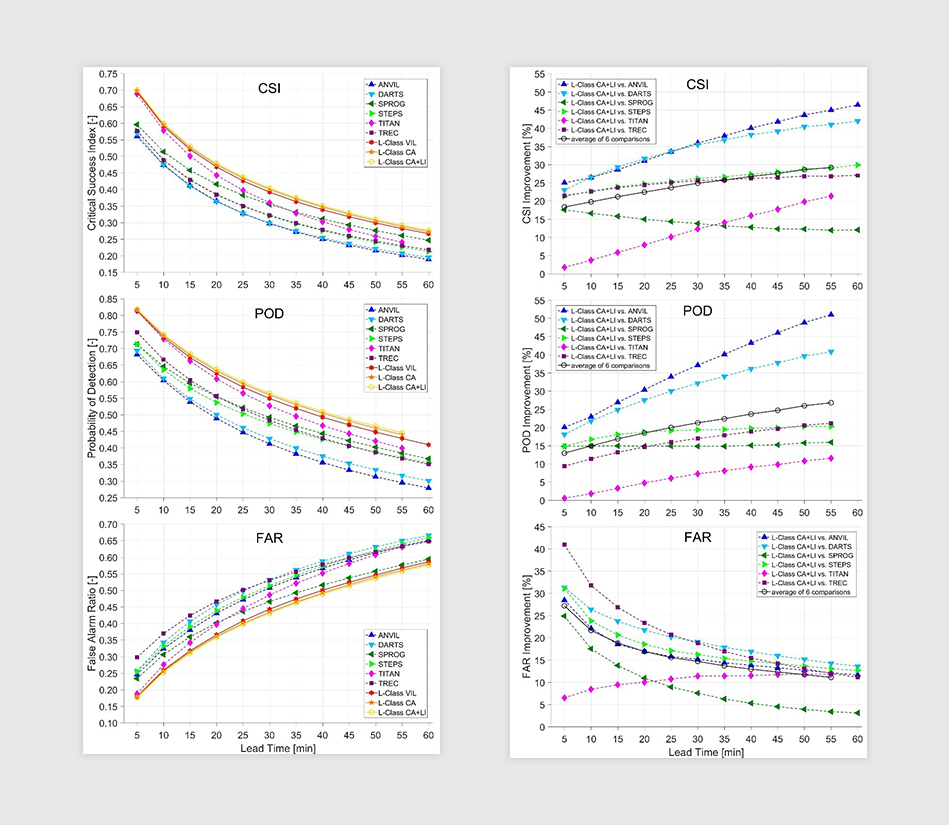
The developed model, called L-Class, was tested in several variants using different radar products. The best results were achieved when CAPPI radar data were combined with lightning occurrence information. This combination provides the model with both the spatial structure of precipitation and additional information about active deep convection.
The results show that all tested L-Class variants improved the forecast performance compared with the individual baseline nowcasting methods. In particular, the best-performing configuration increased the ability to detect convective precipitation events while also reducing false alarms. This is an important step toward more reliable thunderstorm nowcasting, especially for operational users who need fast and accurate information.
The project demonstrates the ability of MicroStep-MIS to combine meteorological expertise, radar data processing, and up-to-date artificial intelligence methods in the development of advanced forecasting technologies. The achieved results strengthen the company’s knowledge base in AI-based nowcasting and create a foundation for future integration of similar methods into operational and commercial meteorological systems.
With the PRUDENCE project, MicroStep-MIS continues to support innovation in weather forecasting and demonstrates how artificial intelligence can help improve the prediction of hazardous weather phenomena, contributing to safer and more efficient decision-making in weather-sensitive sectors.
Read the full case study to learn more about the methodology, model development, evaluation results, and potential operational applications of AI-based precipitation nowcasting. You can also watch the project video for a concise overview of the research and its main outcomes.